Find Hope
Close to Home.
Our community’s stories remind us of the hope and connection available in our backyard. Explore stories from Anoka County residents impacted by opioid use.
Connect with reflections and personal stories from Anoka County residents, families and first responders.
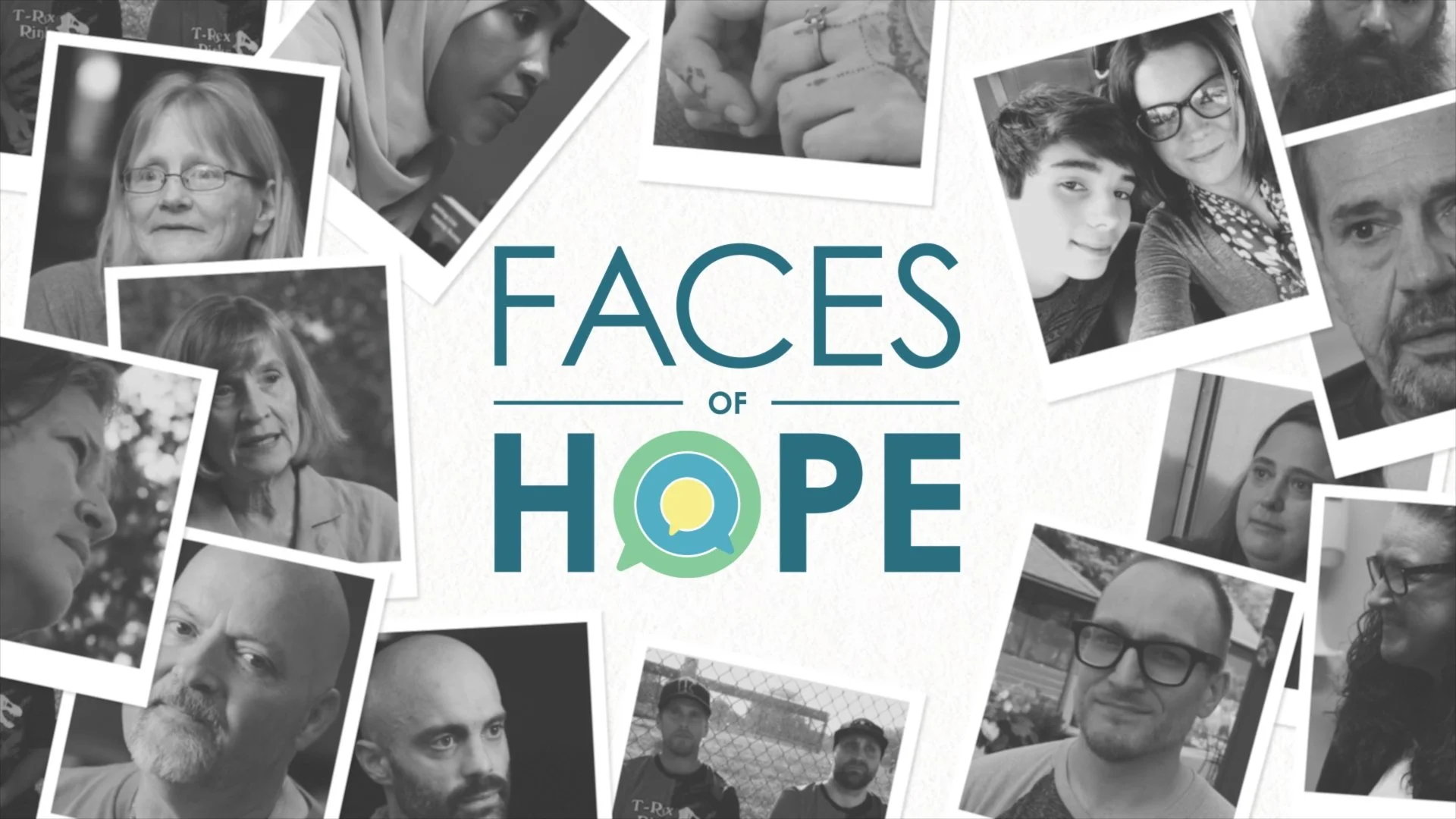
Faces of Hope Documentary
Anoka County has not escaped the heavy toll of the opioid crisis, the deadliest drug epidemic in the nation's history. But there are reasons for hope: from the personal stories of successful journeys to recovery, to the county's growing community of people and programs there to support those affected by substance abuse.
The filmmakers Cy Dodson and Megan Thompson would like to thank everyone who participated in the Faces of Hope project. For more information on their work visit triumphpictures.com

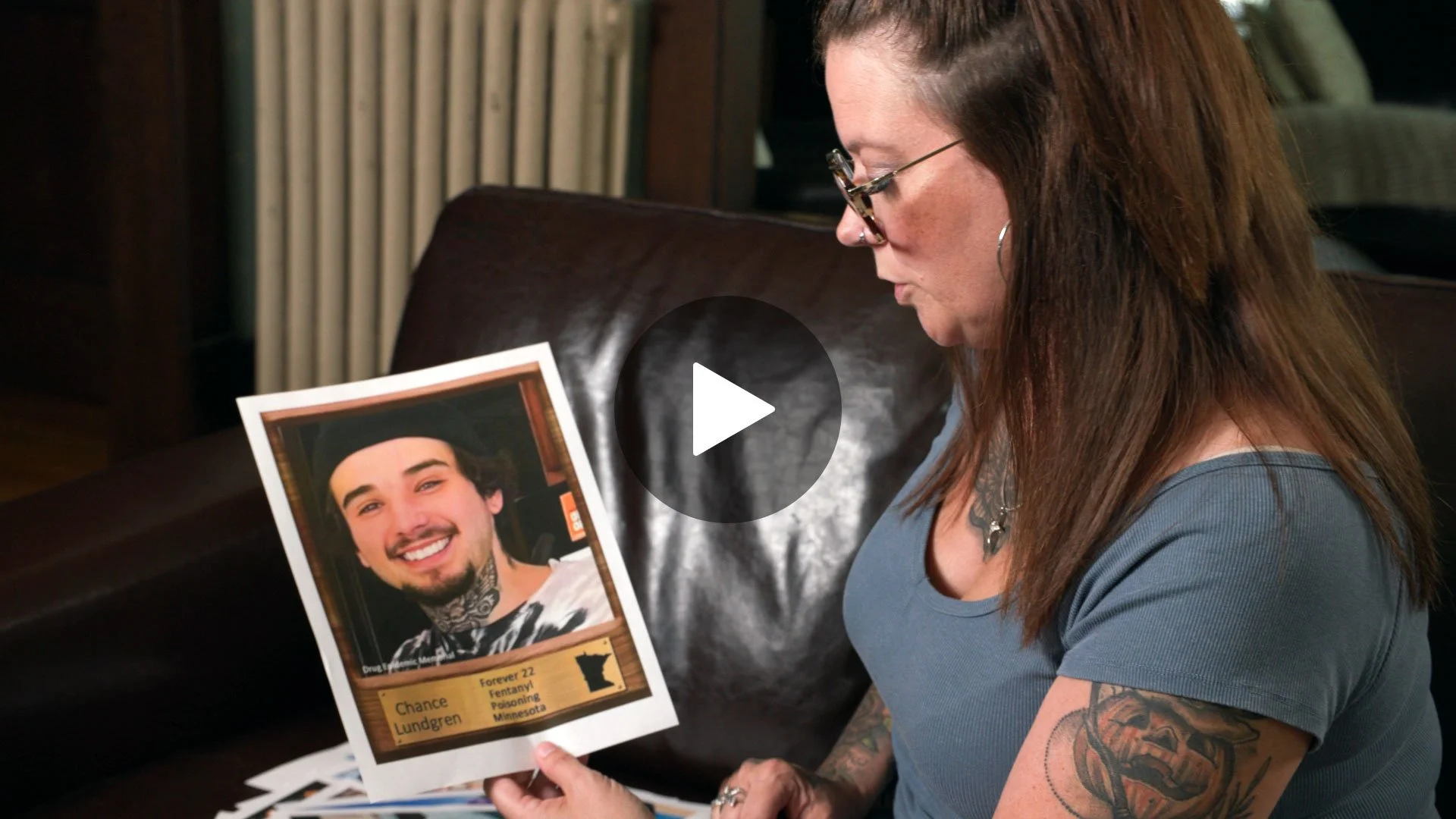
A mother's worst nightmare
Amy Jones is bravely speaking out about the worst moment of her life, hoping the story of a nightmare-come-true can prevent more tragedies.
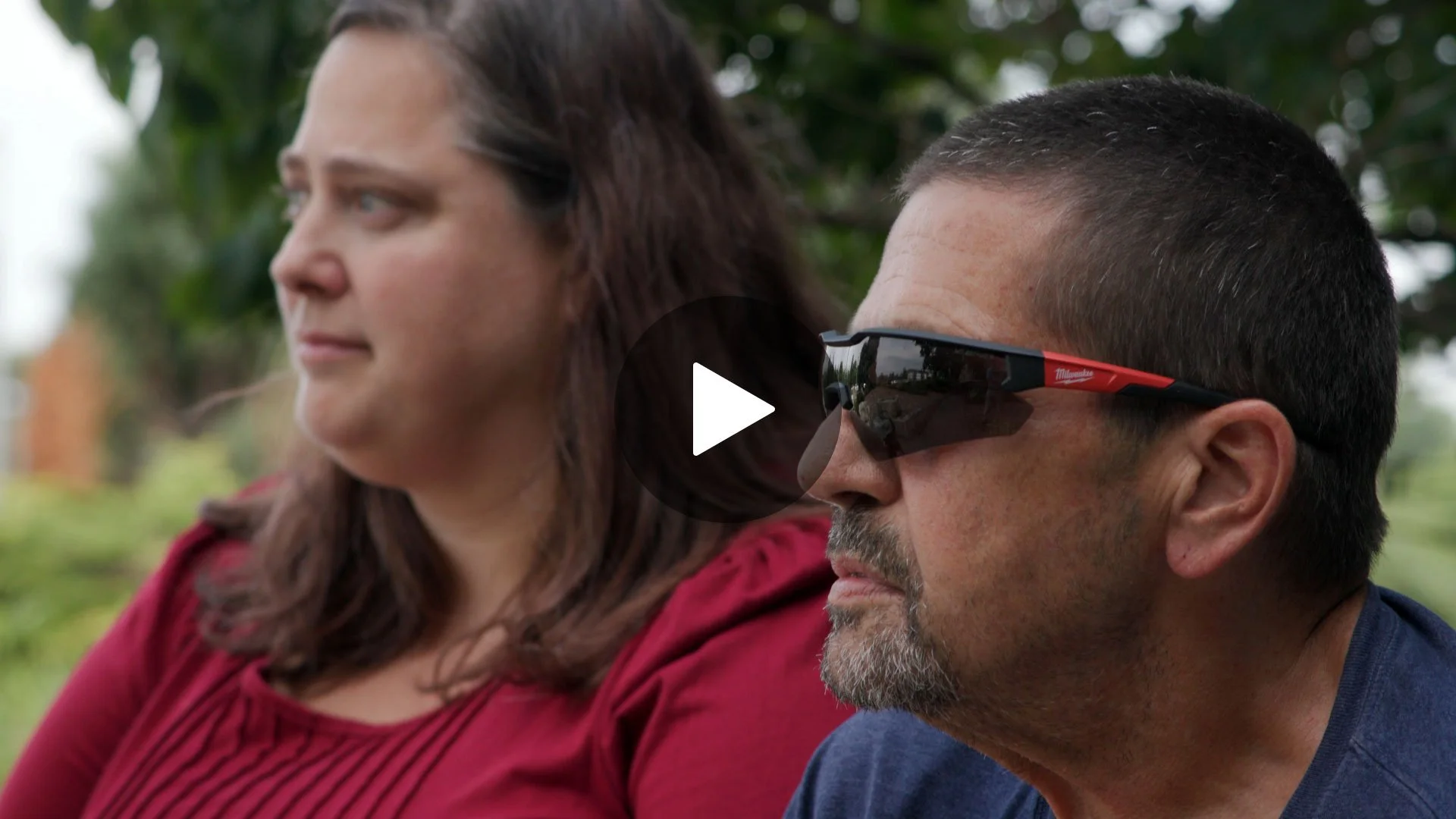
Life beyond chronic pain and opioid painkillers
After a workplace accident left Lewis Hunt with intense chronic pain, he was prescribed so many opioid painkillers he could barely keep track of them all. A clinic in Anoka County helps patients like Hunt get their lives back on track.
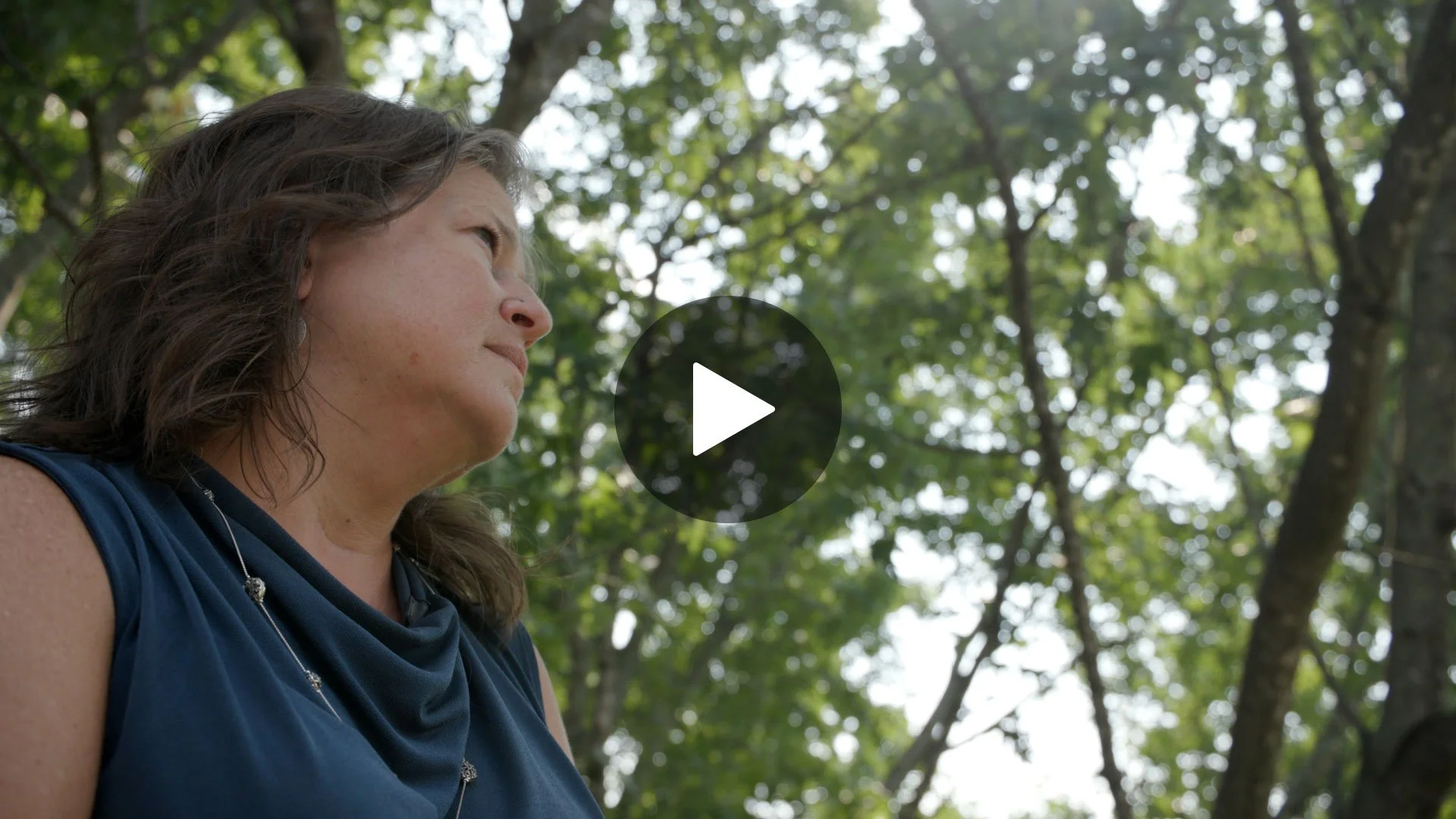
Addiction can happen to anyone
Lori Lachner, an Anoka County mom, paralegal and polka musician, slipped so far into her addiction to prescription painkillers that she was arrested on burglary charges. At that moment she said the three words that turned her life around: "I need help."
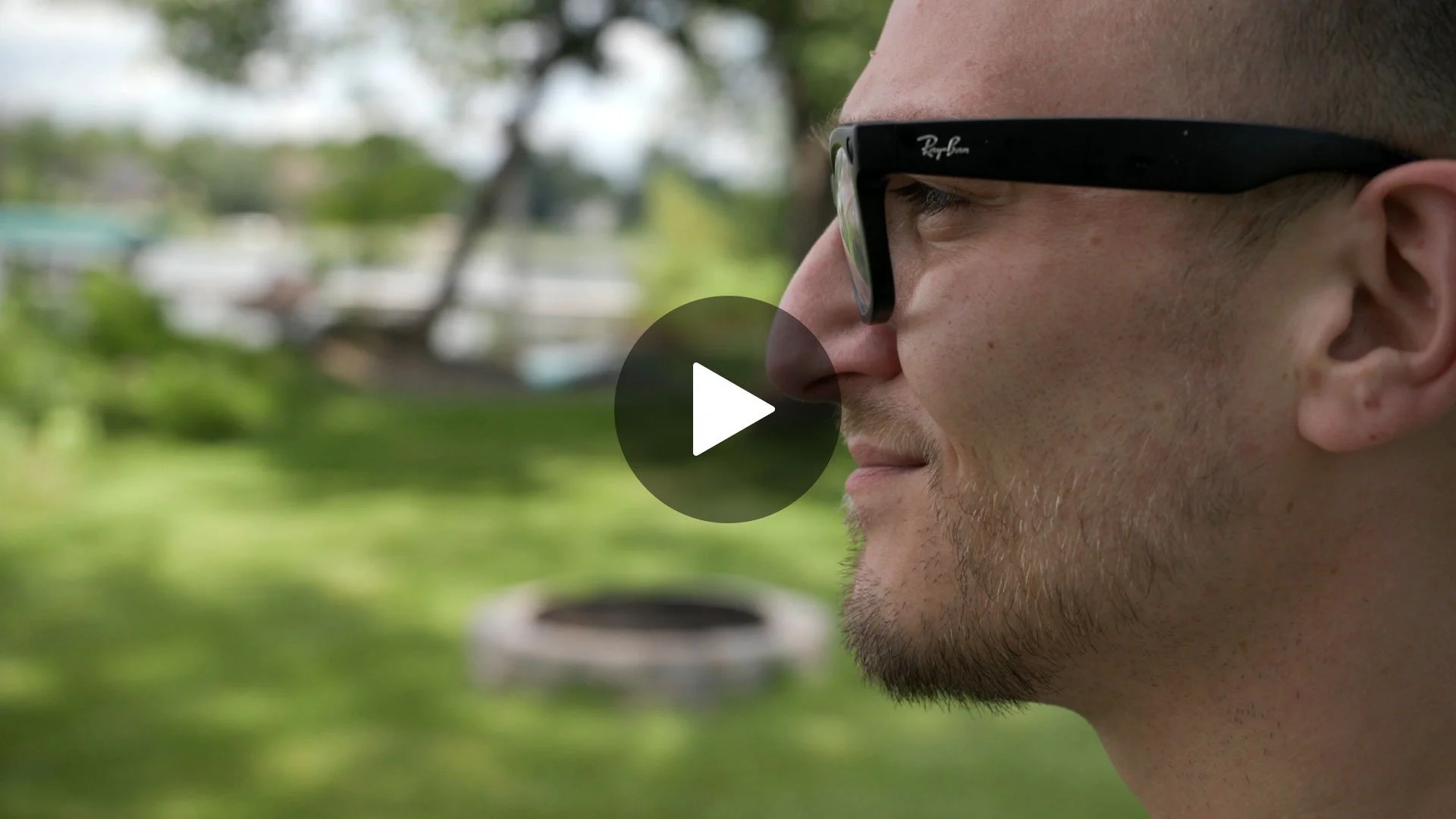
Losing it all to heroin and fentanyl
Nick Warnke was a quintessential Minnesota kid who grew up on a lake and loved fishing, hunting and playing hockey. Says Warnke, "It wasn't ever a thought in my mind of, 'Someday I'm going to be addicted to fentanyl." Treatment and sober housing in Anoka County, gets Warnke on his path to recovery.
Community members offer insight into the realities of opioid use and recovery, creating space for understanding, compassion and shared strength.

Kerri-Anne
“Today, I am proud to have nearly two years of sobriety. I have rebuilt my life with my children.”
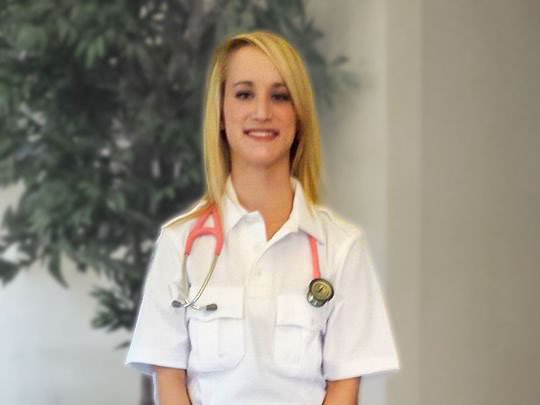
Melissa
“There are many paths to recovery, and what works for one person may not work for another. How a person chooses to recover shouldn’t be judged.”
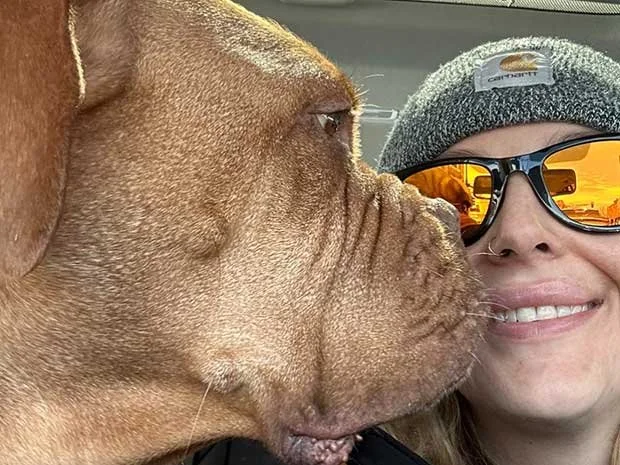
Lacey
“I tried to get sober many times before it finally stuck. Once it did, and I decided to try to change not only my behaviors, but myself, even more doors opened for me.”
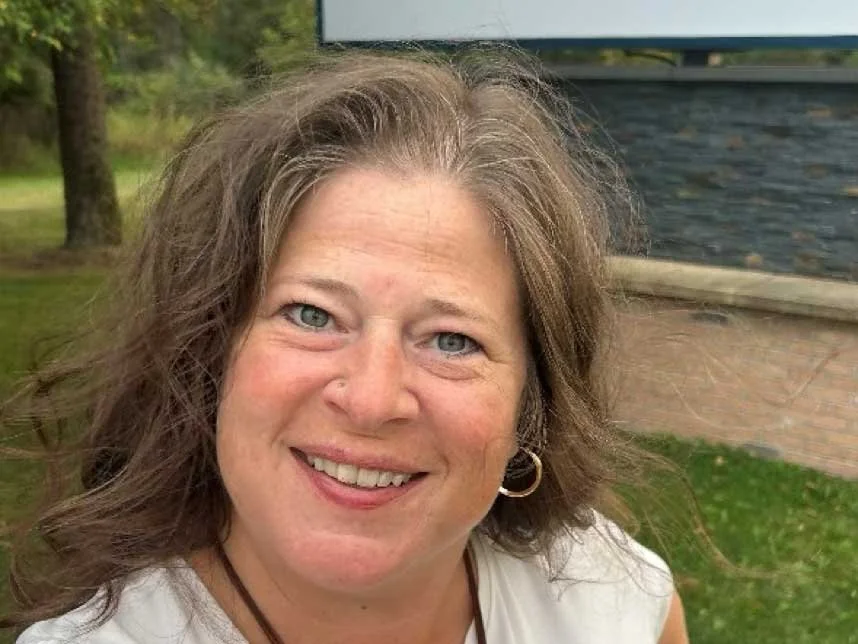
Lori
“I found treatment at Hazelden Betty Ford, which was one of the best experiences of my life. Treatment gave me a safe place to detox and a supportive environment to work on me.”

Christopher
“I know I am Alcoholic & a Addict, but to me alcoholic & addict are just “Things.'“ I am not a Thing and I don’t let those define my life.”
KARI-ANNE’S STORY
It means so much to be able to speak about a journey that has taken me through darkness, pain, resilience, and ultimately, hope.
My story begins simply, as a young girl who fell in love with someone who used drugs. That relationship introduced me to methamphetamine, and for two years I thought I was just “partying.” Everything changed when I found out I was four months pregnant.
Although scared, I was also excited. My pregnancy was difficult—I spent a month in the hospital before giving birth to my baby girl prematurely by C-section. She stayed in the neonatal ICU for three weeks, and when she came home, I was overjoyed.
That joy was short-lived. At three months and one day old, my daughter passed away from SIDS while in my arms. That loss was devastating, and drove me back to meth. From there, my dependence on drugs grew.
As my addiction deepened, my family tried to help. My father, a recovering alcoholic, set hard boundaries with me. Instead of rising to meet them, I pulled away. Not long after, I lost him too, driving me even further into addiction.
The next years became a cycle: arrests, jail time, treatments, relapses, and attempts to rebuild. I carried pain from childhood trauma, the loss of my daughter and father. I had more children, and while I wanted desperately to be the mother they deserved, I often fell short. Drugs always pulled me back.
My addiction led me to dangerous places: crime, homelessness, and enduring abuse. I spent time in prison, where I began to reconnect with faith and a sense of purpose. But after release, I relapsed again and again.
My lowest points came when I crossed lines I thought I never would, using intravenously, surviving a horrific car accident, and losing my children’s trust. I lived in vans, trap houses, and shelters, caught in a seemingly endless cycle.
I reached a point where I could not live that way any longer. I entered housing programs, found stability, and, for the first time, committed to recovery. With support, therapy, and medication-assisted treatment, I began to heal— from drugs and the traumas that fed my addiction.
Today, I am proud to have nearly two years of sobriety. I have rebuilt my life with my children. I became a peer recovery specialist and serve with AmeriCorps as a Recovery Navigator at Neighborhood HealthSource.
I train others to use Narcan. I am CPR certified. I have spoken to MDH and the Community Health Workers Alliance. Most importantly, I use my lived experience to help others find hope, because I know what it’s like to feel lost.
This disease is powerful. Addiction destroys lives, families, and communities. But recovery is possible—and it’s stronger when we walk it together.
I am so grateful to be here today, to share my struggles and victories. My story proves that change is possible, even when it feels impossible. And it proves that no one has to fight alone.
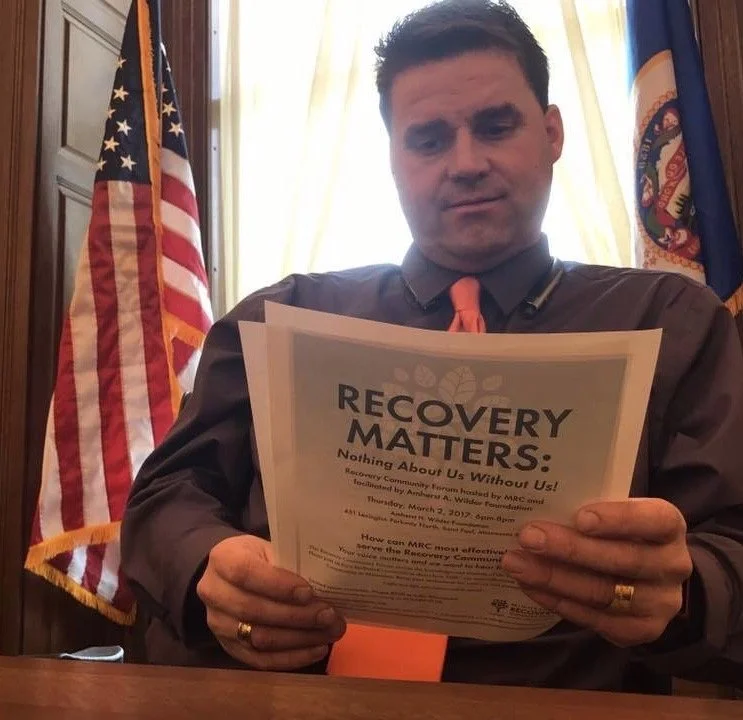
CHRISTOPHER’S STORY
I know I am Alcoholic & a Addict, but to me alcoholic & addict are just “Things". I am not a Thing and I don’t let those define my life.
I am a Child of GOD 1st and foremost.
I am a Spiritual Being Learning a Human Experience in Long Term Recovery from the Disease of addiction & Co-Occurring Mental Health issues;
What that Means to Me is; Today I’m Free from Any Chemical Substance Dependency and I Show Up in Life a little Differently these days.
I'm Living a Healthy Life Long Recovery Program that Looks Very Different Today then when I was Sick in My Active addiction.
I’ll Never forget where I have came from, I know I am Alcoholic & a Addict, but to me alcoholic & addict are just “Things”
I am not a Thing and I don’t let those define my life.
Today I am:
A Unconditional Lover of GOD, a Loving half to My Twin Soul, a Loving Father to 5 amazing Children, I am a Son, a Brother, an Uncle, a Nephew, a God parent, & a Cousin many times over, Not to mention, I am, an Employer, an Employee, a Tax Payer, an Active Community Supporter, a Volunteer, an Advocate, a Certified Peer Recovery Support Specialist, a Certified Prevention Professional, a Certified Alternative Dispute Revolutionist &/Or a Mediator/Neutral for the Minnesota Supreme Courts, a Network, a Sober House Manager Alumni for Meraki Recovery Housing, a Connection Lead for Artisan Community Church, a Umpire in Chief for...
Your Recovery Story Matters!
Written by Melissa’s mom
Melissa was born in February of 1993. She was 4 months premature and weighed less than 2 pounds, but she was a fighter! Out of all the things the doctors said could happen to her, none of them did. She was in the NICU for 11 weeks, gained the weight she needed, and was discharged.
She grew up in a middle-class family, and was loved and supported. She was a beautiful, kind, sensitive, and non-judgmental woman that loved and cared deeply for her friends and family.
She graduated from high school and then a 2-year college with honors and went on to become a certified EMT. During that time, she moved to Texas because she wanted to work in the neuroscience field and UT Austin had one of the best programs in the U.S. While she was there, she lost her grandfather whom she was extremely close to, and it threw her into a downward spiral.
She was offered heroin by a “friend” to numb her pain, and she became addicted. She then moved back to Kentucky and went to treatment 3 times in 2 years, spending almost a year in recovery.
When she went back to treatment for her third time in 2017, she made the decision to go into long-term inpatient treatment to try to maintain her sobriety. She decided she was ready to come home and when asked what was different about this time, she stated, “I have found God, been baptized and I don’t want to die. I know that so many drugs now have fentanyl in them, and I don’t want to use and die.”
She finally came home after 6 months, got a job and was doing great. Then one day she went on her lunch break and never went back to work. After frantically calling, texting, and looking for her, I received a call at 5:30 am from an ER doctor letting me know she had passed away. Her tox report came back 3 months later. She died from a heroin/fentanyl overdose – the very thing she feared most and the fear she believed would keep her from ever using again.
I learned many things from her passing:
1) Addiction does not discriminate. It doesn’t care about your background, your successes or how much love and support you may have.
2) The stigma of addiction can keep people from seeking help.
3) There are many paths to recovery, and what works for one person may not work for another.How a person chooses to recover shouldn’t be judged.
4) You can’t help someone if they are dead.
Melissa Lynn
February 13, 1993 – August 30, 2017
Forever 24
LACEY’S STORY
When I was growing up, heroin was the “bad” thing. If you were on heroin, or tried it, that meant that you were at the end of the line, so I stuck to stimulants and alcohol.
Once I got to college, I made some friends that introduced me to the world of crushing up opioid pills. I never injected, so to me, I was never that far gone. What I didn’t realize is that I was already in the world of addiction. I didn’t do things like a normal person, but I thought what I did was normal.
I liked the feeling of not feeling anything, and I didn’t realize I would have a problem stopping. I had a lot going for me, so I decided I needed to stop before it was all taken away. I tried to get sober many times before it finally stuck. Once it did, and I decided to try to change not only my behaviors, but myself, even more doors opened for me.
My career has allowed me to see a change in the opioid epidemic over time. When I first started, it was very sad when someone passed away from an overdose. Now, when the message that someone has overdosed is relayed to family, it’s news they already expect, which to me is even sadder. I don’t know if it’s the relief that they don’t have to worry about their loved one suffering anymore, or if it’s that they always knew deep down that an overdose would happen.
I have lost a lot of friends that I have been in recovery with to overdoses, and it’s still sad because I always have hope for people. If you relapse and drink, try sobriety again. If you relapse on opiates, keep trying sobriety. Keep trying. To me, sobriety will be the only thing that keeps you alive.
LORI’S STORY
My name is Lori Lachner and I am in long-term recovery. I have been clean and sober since June 1, 2020. I grew up on a farm in a typical family. What was not normal about my upbringing was my parents had a polka band and my sister and I grew up playing polka music.
I went to college, got married, and became a paralegal all while continuing to perform in my parents’ polka band. In 1998, at the age of 22, I was in a car accident where I sustained chronic low back pain, which was treated with opiates.
I used as prescribed until I experienced a traumatic event in 2007. I was pregnant with twins and went into premature labor, delivering them at 22.5 weeks gestation. I got to hold my babies and have them baptized before they died only a couple of hours later. My husband was not supportive after this, telling me the babies ‘weren’t real’ and I needed to ‘get over them.’ This is when I began taking the opiates to grieve their loss and numb the resentment I felt towards my husband. I have come to learn that addiction is an absence of self, a hole in your soul. It is trying to take something on the outside to fill something on the inside.
During the height of my addiction, I did things I never thought I would do. I became dishonest, unreliable, and shameful. I now know that addiction is a brain disease; it is not a choice. Drugs rewire our brains to believe that our drug of choice is more important than anything else. Our frontal lobe is responsible for reasoning and our midbrains for survival. Drugs and alcohol attack our midbrain, virtually shutting off our frontal lobe. In other words, we believe we need to use regardless of if we hurt our loved ones, go to jail, or die.
My midbrain was in full force on June 22, 2016, when I reached my rock bottom. I broke in to a friend’s home seeking pills. It was like an out-of-body experience. I couldn’t stop myself, even though I knew what I was doing was wrong. My friend’s son came home while I was in the house.
This is when I surrendered and got help. I found treatment at Hazelden Betty Ford, which was one of the best experiences of my life. Treatment gave me a safe place to detox and a supportive environment to work on me. I learned two key things in treatment. First: I was not a bad person – I was a good person with a bad disease. Second: my disease is not curable – once an addict, always an addict. However, I can live in recovery.
Long-term recovery has helped me not only accept my past, but also be grateful for it. I would not be who I am today without having gone through what I have. Long-term recovery has helped me fill that hole in my soul with gratitude, humility, and acceptance. Gratitude for my journey because I now know who I am; humility to know that even though I’m not perfect, I am worthy of love and respect; and acceptance to accept my faults and embrace my strengths.
Long-term recovery has also helped me become part of a group of women who connect emotionally, love unconditionally, and share in a common purpose. Long-term recovery has helped me to know what it is like to live in a decent way, to experience the happiness that comes from giving, and to truly love myself.
Share your story
Personal experiences can inspire others, reduce stigma and remind people they are not alone. Whether you are in recovery, supporting a loved one or working on the front lines of care, your story matters. Use the form below to submit your story to Faces of Hope.